

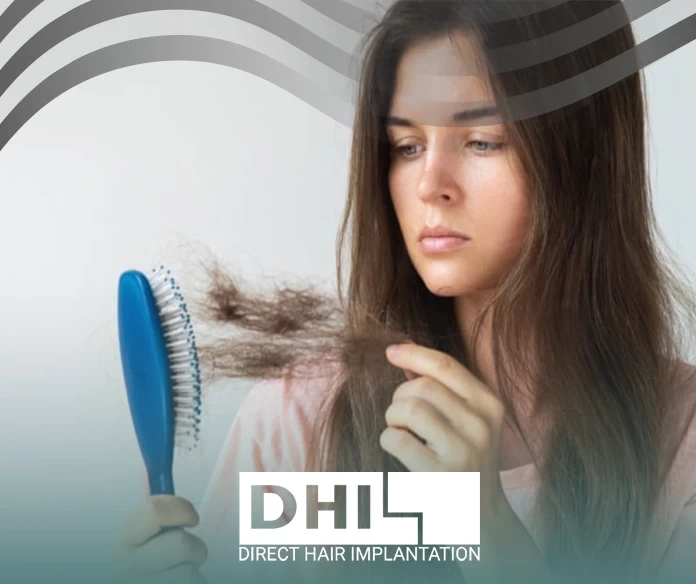
Hair loss is one of the most common problems that worry many women, especially when it becomes noticeable and affects the hair's thickness and overall appearance. While hair loss can be natural in some cases, there are many health and environmental factors that can contribute to the worsening of the problem.
In this article, we will explore the causes of hair loss in women in detail, offer tips on how to prevent hair loss, and recommend the best doctor for hair loss treatment.
Causes of Hair Loss in Women
The most important causes of hair loss in women
Hair loss is not just one symptom, it is the result of a variety of factors. To better understand your condition, we have divided the most common causes into three main categories: hormonal and genetic causes, health and disease causes, and lifestyle and nutritional causes.
The first category: hormonal and genetic causes
This category includes internal factors that are considered one of the most common causes of hair loss in women and are related to hormonal and genetic changes.
1. Androgenetic Alopecia
It is the most common cause of hair loss. It does not necessarily mean 'baldness', but rather a gradual thinning of hair programmed into your genes.
How does it happen? Hair follicles are associated with an oversensitivity to androgen hormones (male hormones naturally present in women), which causes the follicles to gradually shrink and produce thinner and shorter hairs with each growth cycle, until they stop growing completely.
Accompanying symptoms:
General thinning of hair throughout the scalp.
Noticeable widening of the parting line (this is the most common sign).
The front hairline often retains its shape, unlike men.
It gets worse slowly over the years, usually after menopause.
2. Polycystic ovary syndrome (PCOS)
It is a common hormonal disorder that affects one in ten women of reproductive age, and is one of the causes of hair loss in women that is often ignored.
How does it happen? The syndrome causes high levels of the hormone androgen, leading to hair loss in a pattern resembling male pattern baldness.
Accompanying symptoms:
Hair thinning mainly at the front and top of the head (crown).
Acne appears frequently, especially in the chin and jaw area.
Irregular or absent menstrual cycle.
Increased hair growth in unwanted areas (face, chest, back).
Weight gain and difficulty losing it.
3. Thyroid disorders
The thyroid gland is the body's 'regulator', and any disruption in its function (whether overactivity or inactivity) directly affects the hair life cycle.
How does it happen? Thyroid hormones affect all cells in the body, including hair follicle cells. The defect stops the natural growth cycle and causes the hair to enter the shedding phase early.
Accompanying symptoms:
If the gland is underactive: severe dryness, roughness, and brittleness of the hair, with general hair loss throughout the scalp. It may be accompanied by weight gain, constant fatigue, and a feeling of cold.
In case of overactive gland: the hair becomes very greasy and thin, with widespread loss. It may be accompanied by unexplained weight loss, nervousness, and rapid heartbeat.
Characteristic sign: Thinning or loss may occur in the outer third of the eyebrows.
The second category: health and disease causes
The problem is not limited to hormones only, as there are specific medical conditions that constitute a large part of the causes of hair loss in women.
4. Telogen Effluvium
This type of loss occurs as a response to a major physical or psychological shock to the body.
How does it happen? Trauma (such as major surgery, childbirth, rapid weight loss, or severe psychological stress) causes a large percentage of hair follicles (up to 70%) to enter the resting phase (telogen) all at once, and then they fall out after about 2 to 3 months.
Accompanying symptoms:
Sudden, noticeable, heavy hair loss everywhere (while combing, showering, on the pillow).
It does not cause bald spots, but rather a general decrease in hair density.
The good news: It's usually temporary, and hair grows back once the cause is gone.
5. Nutrient deficiency (malnutrition)
Your hair needs 'food' to grow. Lack of essential vitamins and minerals directly affects his strength and growth.
How does it happen? A lack of vital elements weakens the hair structure and makes it more susceptible to breakage and loss.
Accompanying symptoms:
Iron deficiency (anemia): The most common dietary cause. It is accompanied by severe fatigue, pale skin, shortness of breath, and headache.
Vitamin D deficiency: May cause severe hair loss and be accompanied by bone pain and general weakness.
Zinc and protein deficiency: leads to dull, dry, and falling hair.
6. Autoimmune diseases
In some cases, the immune system mistakenly attacks hair follicles.
How does it happen? The most famous example is Alopecia Areata, where the immune system views hair follicles as a foreign body and attacks them, leading to hair loss.
Accompanying symptoms:
Sudden appearance of smooth, circular bald spots on the scalp.
These spots may also appear in the beard (in men) or eyebrows and eyelashes.
Hair may grow back and then fall out again.
Third category: Reasons related to lifestyle and daily habits
Finally, we must not ignore the daily habits that may be a cause of hair loss in women without realizing it.
7. Chronic psychological stress
Stress isn't just a feeling, it has real chemical effects on your body, including your hair.
How does it happen? Constant stress raises levels of the hormone cortisol, which can disrupt the natural hair growth cycle and push it into the hair loss phase.
Accompanying symptoms:
Gradual increase in general hair loss.
It may be accompanied by sleep problems, difficulty concentrating, and changes in appetite.
In rare cases, it may lead to Trichotillomania, a psychological disorder that causes a person to compulsively pull their hair.
8. Mispractices in hair care
Sometimes, 'excessive love' or neglect is the cause.
How does it happen? The use of excessive heat (irons and blow-dryers), harsh chemical dyes, and very tight hairstyles (such as a ponytail or tight bun) cause tremendous pressure on the hair follicles and damage the outer layer of the hair, leading to breakage and loss, a condition known as 'Traction Alopecia'.
Accompanying symptoms:
Hair breaks and splits clearly.
Loss concentrated in areas that are exposed to tension, especially around the front hairline and sides.
You may feel pain or small pimples on the scalp
-
Nutritional Deficiencies: Lack of essential nutrients such as iron, protein, and vitamin D can cause hair loss, especially in cases of rapid weight loss or eating disorders like anorexia and bulimia.
Tips to Prevent Hair Loss in Women
Prevention is always better than treatment, and there are simple steps you can take daily to reduce noticeable hair loss:
-
Avoid excessive use of heat styling tools like hairdryers and straighteners.
-
Use a shampoo suitable for your hair type and free from harsh chemicals.
-
Gently comb your hair and use a brush with soft bristles.
-
Eat a diet rich in proteins and vitamins like iron, zinc, and vitamin D.
-
Exercise regularly to improve scalp circulation.
-
Minimize stress by setting aside time for daily relaxation.
-
Avoid tying your hair tightly for long periods to prevent follicle damage.
-
Moisturize the scalp using natural oils like coconut oil or argan oil.
-
Avoid frequent hair coloring and chemical treatments that weaken the hair follicles.
-
Have regular checkups to monitor thyroid health and vitamin levels in the body.
If you're experiencing hair loss due to hormonal, psychological, or even genetic factors, don't hesitate to visit DHI Center, where you can get accurate diagnosis and specialized treatment for hair loss causes in women, with global expertise and comprehensive care.
Best Center for Treating Hair Loss in Women
If you're looking for a reliable center to treat hair loss in women, DHI Center is one of the leading choices for the following reasons:
-
We can treat hair loss using the Regenera Activa device, an innovative technique that relies on stem cells to effectively and safely stimulate hair growth.
-
We use advanced hair transplant techniques, such as the DHI technique, providing long-term solutions to restore natural hair density.
-
Over 54 years of experience in hair transplantation.
-
More than 300,000 successful surgeries performed worldwide.
-
A Growth Stimulator Session (GFC) on the day of the operation using components extracted from the patient’s blood.
-
Two PRP plasma sessions and four stem cell sessions after transplantation to increase hair density.
-
Full post-surgery care, including washing, medication, anti-swelling cream (Arnica), and follow-up for 18 months.
In conclusion, understanding the causes of hair loss in women is crucial for diagnosing the issue and selecting the right treatment. Whether the cause is genetic, hormonal, psychological, or due to poor nutrition, early intervention and accurate diagnosis can help restore the health and thickness of your hair. Don't neglect the health of your hair—book your consultation now at DHI Center to start an effective treatment journey with the latest hair care techniques.